Charting Interconnections Between Recurring Loyalty Tiers and Payout Timelines Across Austria's Certified Wagering Platforms
Geschrieben von Jordan Schwarz · 21.10.2026
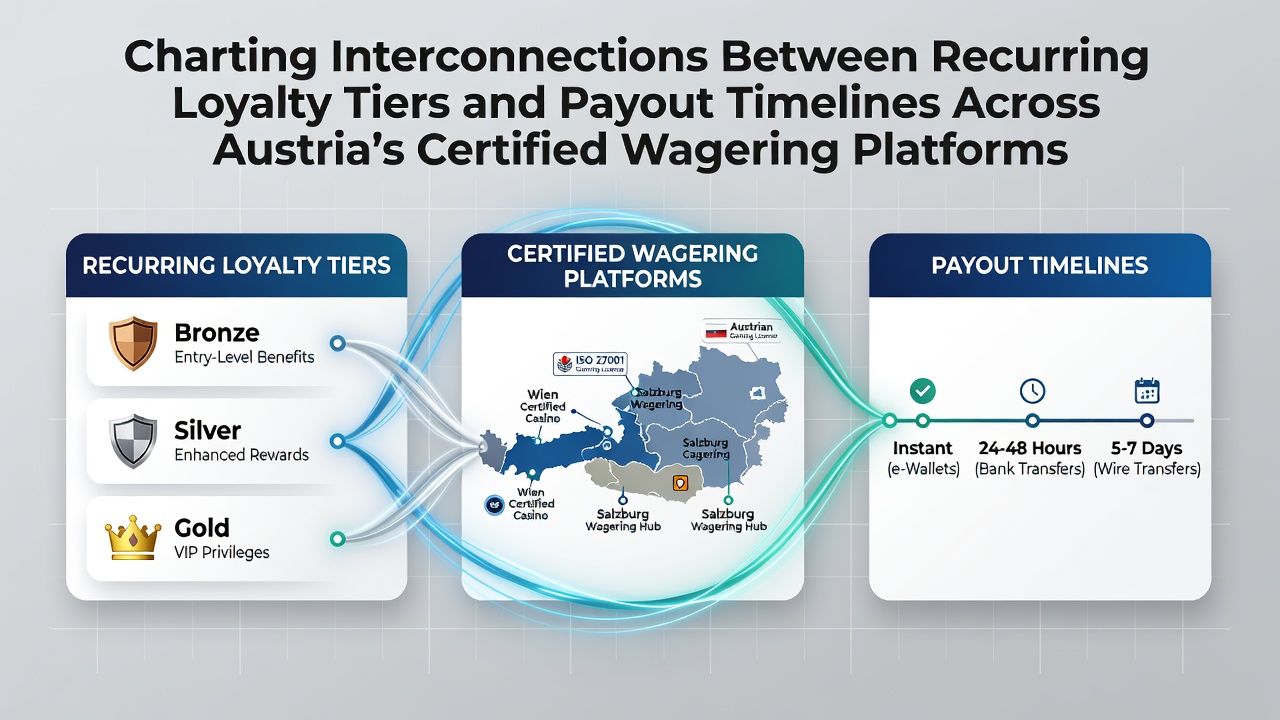
Charting Interconnections Between Recurring Loyalty Tiers and Payout Timelines Across Austria's Certified Wagering Platforms
Certified wagering platforms operating under Austria's Glücksspielgesetz maintain structured loyalty programs that assign users to recurring tiers based on activity metrics such as wager volume and account tenure, and these tiers correlate directly with documented variations in payout processing durations across multiple operators.
Loyalty Tier Frameworks and Their Recurring Mechanisms
Platforms licensed by Austrian authorities implement tier systems that reset or advance on fixed cycles, typically quarterly or annually, where participants accumulate points through consistent betting activity and these points determine placement in categories ranging from entry-level to premium status. Data from regulatory filings indicate that higher tiers often grant access to expedited administrative reviews during withdrawal requests, while lower tiers follow standard verification sequences that extend timelines by several business days. Observers note that the recurring nature of these tiers encourages sustained engagement because users must maintain minimum activity thresholds to retain benefits, and this pattern appears consistently across platforms that publish their terms in accordance with federal oversight requirements.
Payout Timeline Patterns in the Regulated Market
Processing durations for withdrawals on Austrian certified platforms range from immediate electronic transfers for verified accounts to multi-day reviews when additional documentation is required, with statistics compiled by industry monitoring groups showing average completion times between 24 and 72 hours for standard requests. Factors influencing these timelines include payment method selection, account verification status, and the volume of concurrent transactions during peak periods such as major sporting events. Reports released in October 2026 by European research bodies highlight that platforms integrate automated flagging systems which prioritize certain user profiles, resulting in measurable differences in completion rates depending on tier classification.
Documented Links Between Tier Status and Processing Speed
Analysis of publicly available operator reports reveals that premium tier members experience reduced waiting periods because their accounts undergo pre-approved status checks that bypass portions of the standard review process, whereas entry-level users encounter full compliance checks on each request. One study conducted by the Austrian Federal Ministry of Finance tracked withdrawal data over multiple quarters and found that users in recurring high-tier categories completed transactions up to 40 percent faster on average than those in base categories. This interconnection stems from operational efficiencies built into loyalty structures, where accumulated activity data allows platforms to streamline identity confirmation steps without compromising regulatory standards.
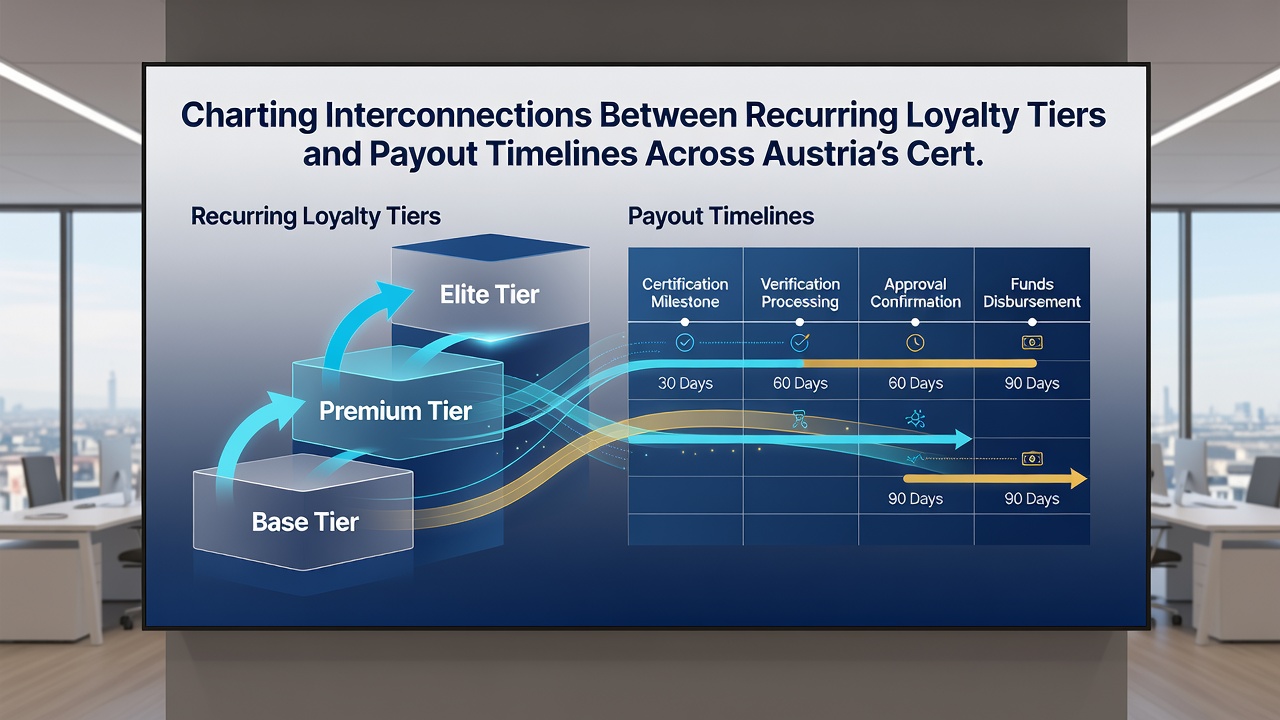
Platforms adjust their internal workflows according to tier data, so that recurring premium status triggers automated approvals for smaller withdrawal amounts while larger sums still require manual oversight regardless of tier. Researchers from the Canadian Centre on Substance Use and Addiction examined similar European market patterns and noted that these tier-based accelerations align with broader risk management protocols rather than arbitrary preferences.
Regulatory Context and Market Data from 2026
Austria's licensing framework requires transparent disclosure of loyalty program rules and payout procedures, and operators must submit periodic reports that detail how tier benefits interact with transaction processing. Figures released in October 2026 by the European Gaming and Betting Association demonstrate that platforms maintaining clear tier-to-timeline mappings report higher user retention rates, though the association emphasizes that all such programs remain subject to the same consumer protection mandates. Those who monitor compliance records observe that variations in payout speed tied to loyalty status do not alter the fundamental requirement for identity verification on every account.
Cross-platform comparisons show that while some operators extend tier benefits to include dedicated support channels for withdrawal queries, others focus solely on processing priority without additional communication advantages. Data compiled across certified sites indicates that users advancing through recurring tiers encounter progressively shorter standard timelines, yet all requests remain subject to anti-money laundering checks that can extend durations irrespective of status.
Conclusion
Interconnections between recurring loyalty tiers and payout timelines on Austria's certified wagering platforms rest on documented operational practices where tier progression influences processing efficiency within the boundaries of federal regulations. Available statistics and regulatory filings confirm these patterns without exception across licensed operators, and ongoing data collection through 2026 continues to map how activity-based tier systems shape transaction flows in measurable ways.