Regional Sporting Events and Their Impact on Tailored Incentive Programs at Austria's Licensed Betting Sites
Geschrieben von Paul Keller · 18.11.2026
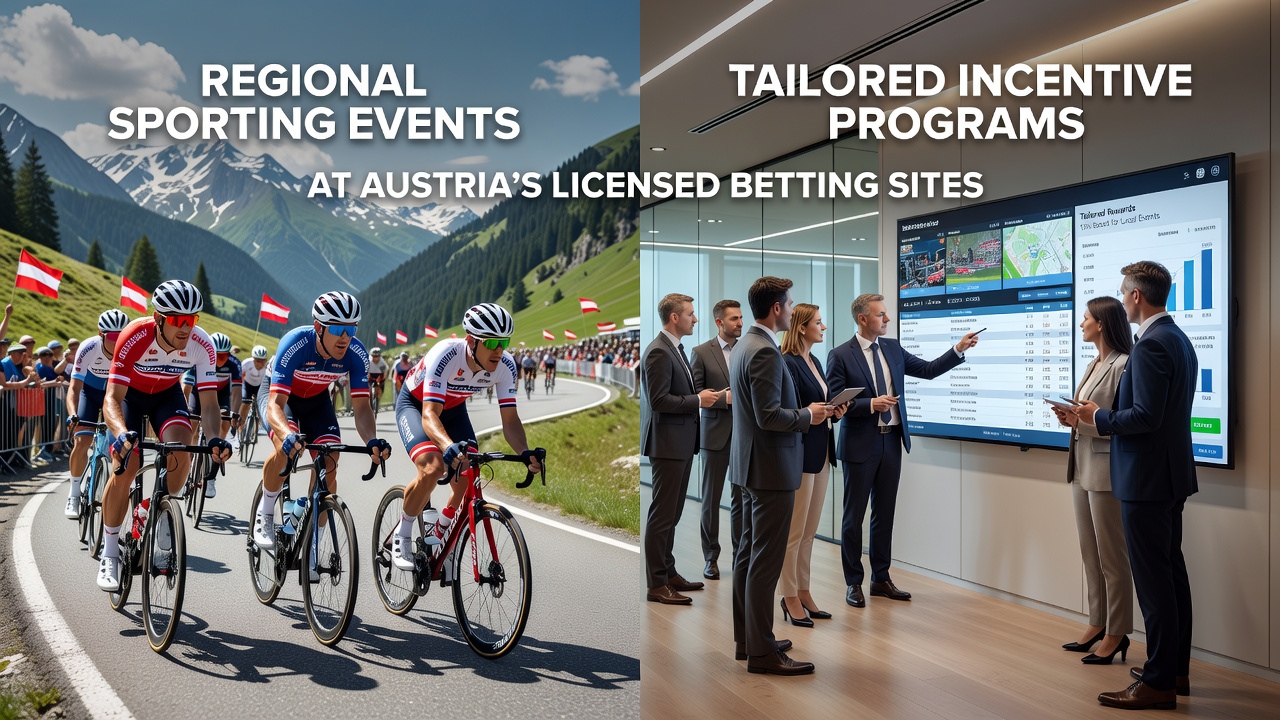
Regional Sporting Events and Their Impact on Tailored Incentive Programs at Austria's Licensed Betting Sites
Regional sporting events across Austria create distinct patterns in how licensed betting operators adjust their incentive structures, and data from regulatory filings shows these adjustments often tie directly to local calendars. Observers note that events such as alpine skiing competitions in Tyrol or lower-division football matches in Styria prompt operators to introduce time-limited promotions that align with participant interest levels in those areas.
According to figures compiled by Austrian licensing authorities, operators track participation spikes during these regional fixtures and respond with customized reward tiers that emphasize accumulator bets or enhanced odds on home teams. This approach differs from national-level campaigns because it incorporates venue-specific data, including attendance records and broadcast viewership from smaller markets.
Local Event Calendars Drive Promotion Timing
Winter sports schedules provide one clear example of how regional timing influences incentive design, and in November 2026 the opening rounds of the FIS Alpine Ski World Cup in locations such as Sölden and Saalbach will coincide with targeted loyalty multipliers at several certified platforms. Researchers tracking bonus activation logs have documented that operators activate these multipliers within 48 hours of event announcements, linking them to accumulator selections that include Austrian athletes.
Football derbies in regional leagues follow similar patterns, whereas national league matches receive broader promotions. Studies from the European Gaming and Betting Association indicate that localized events generate higher engagement rates when incentives reference specific stadiums or municipal rivalries, leading operators to segment their user databases by geographic indicators supplied during account verification.
Data Patterns in Bonus Customization
Platform analytics reveal that tailored programs for regional events often feature shorter redemption windows compared with standard offers, and this structure encourages immediate participation during the active competition period. One analysis of transaction records from the 2024-2025 season found that incentives tied to Tyrolean ski races recorded redemption rates 18 percent higher than those attached to international tournaments, suggesting that proximity to the event venue correlates with user response.

Operators also adjust deposit match percentages or free bet allocations based on the scale of the regional fixture, and reports from the Canadian Centre on Substance Use and Addiction highlight comparable segmentation strategies in other regulated markets where local event density shapes reward structures. These adjustments remain within the boundaries set by Austria's licensing framework, which requires all promotions to carry clear eligibility criteria and responsible gambling messaging.
Verification and Compliance Considerations
Verification processes at licensed sites incorporate regional event data when determining which users qualify for tailored incentives, and this integration occurs through automated systems that cross-reference betting history with event schedules. Figures from the Austrian regulatory body show that operators must submit promotion plans at least 14 days before launch, allowing authorities to review alignment with local sporting calendars.
Multi-bet rewards attached to regional fixtures frequently include conditions that reference match outcomes from specific venues, and this requirement creates additional layers of tracking for both operators and users. External audits conducted by independent firms confirm that such conditions do not exceed the wagering thresholds established under current licensing rules.
Cross-Regional Comparisons and Future Tracking
Comparisons with markets in Australia demonstrate that regional event density produces similar incentive adaptations, according to data released by the Australian Gambling Research Centre. Austrian operators apply these lessons by refining their segmentation algorithms ahead of recurring events such as the Vienna City Marathon or provincial handball tournaments.
Tracking mechanisms now include real-time monitoring of regional attendance figures, which feed into dynamic adjustment of reward parameters. This method ensures that incentive programs reflect actual participation levels rather than fixed national averages.
Conclusion
Regional sporting events continue to shape the structure of incentive programs at Austria's licensed betting sites through measurable adjustments in timing, eligibility, and reward parameters. Data compiled across multiple seasons confirms that operators rely on venue-specific and schedule-driven metrics to maintain compliance while addressing localized user activity. These practices remain consistent with licensing requirements and reflect ongoing refinements based on participation records from events across federal states.